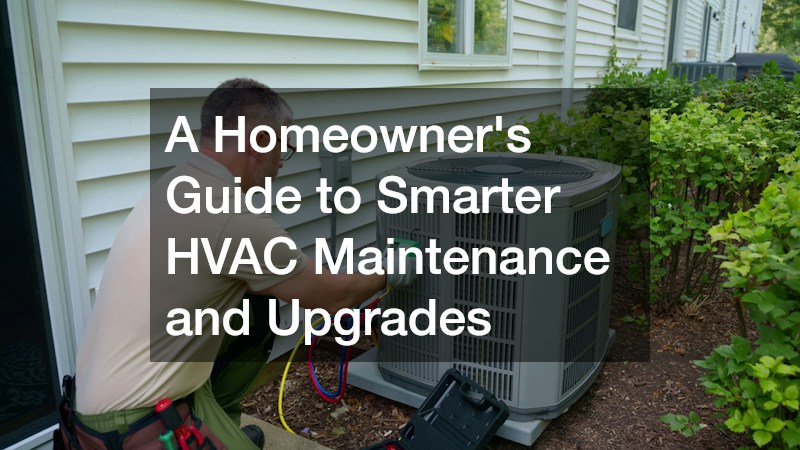
Heating and cooling systems play a major role in keeping a home comfortable throughout the year. Like other major home systems, they can develop problems over time, and waiting until a system stops working can make an otherwise manageable issue more disruptive. A smarter approach involves paying attention to changes in performance, keeping up with maintenance, and planning upgrades based on the home’s actual needs.
Homeowners do not need to diagnose every HVAC problem themselves. However, knowing what to watch for can make it easier to recognize when professional attention is appropriate. It can also help homeowners plan service around their schedules instead of responding to an unexpected breakdown. Understanding the basic signs of trouble can also help prevent small concerns from being overlooked. A little preparation can make HVAC maintenance easier to manage throughout the year.
From routine maintenance to major equipment upgrades, HVAC care works best when it is treated as an ongoing part of home maintenance. Keeping records, addressing unusual performance, and planning can help homeowners make more informed decisions about their heating and cooling systems. This approach can also make it easier to prioritize maintenance based on the condition and needs of each system. With a consistent plan, homeowners can stay more prepared for both routine service and larger HVAC projects.
Recognize Problems Before They Become Major Repairs
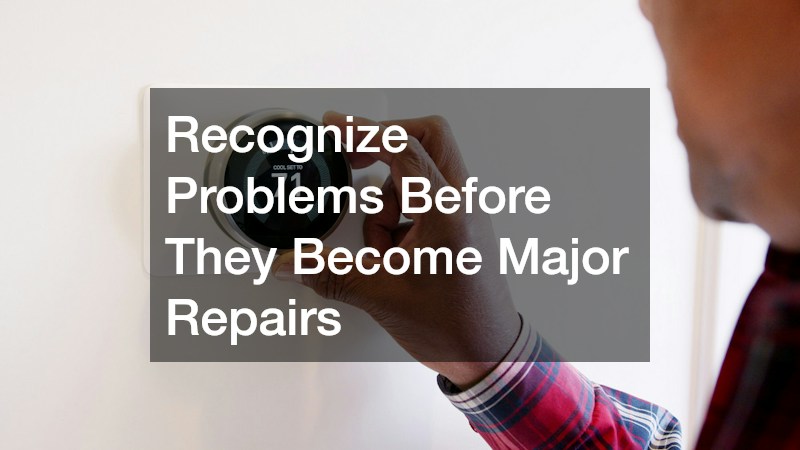
HVAC systems often provide clues when something is not operating as expected. Changes in airflow, inconsistent temperatures, unusual sounds, or repeated cycling can all be reasons to take a closer look. Paying attention to these changes gives homeowners an opportunity to document what they are experiencing before requesting HVAC repair.
Start by noting when the problem occurs and which areas of the home are affected. A problem that appears only at certain times or in particular rooms may provide useful information to a professional evaluating the system. Homeowners can also check simple items such as thermostat settings and visible air filters before scheduling service.
Keep track of:
- Unusual noises or odors
- Changes in airflow
- Rooms that become difficult to heat or cool
- Changes in thermostat performance
- Problems that occur repeatedly
Avoid attempting repairs that require specialized knowledge or equipment. Instead, provide a clear description of what has changed. A detailed account can help a professional focus on the problem and determine what type of service may be appropriate.
Keep Hydronic Heating Systems Clean and Functional
Some homes rely on systems that circulate heated water through dedicated components to provide indoor warmth. These systems have their own maintenance considerations, and homeowners should understand that keeping them functioning properly involves more than simply adjusting a thermostat. HVAC closed loop cleaning may be part of professional maintenance when system conditions call for it.
Homeowners can begin by learning how their particular heating system operates and watching for changes in performance. If rooms are no longer heating as expected or the system behaves differently than it normally does, those observations should be documented and discussed with a qualified professional.
Useful maintenance planning steps include:
- Keep records of previous service
- Note changes in heating performance
- Watch for recurring system issues
- Ask what maintenance the system requires
- Schedule service before seasonal demand increases
Avoid opening or modifying system components without understanding their purpose. Professional evaluation can help determine whether cleaning or another form of maintenance is appropriate for the specific system.
Choose Supplemental Cooling for Specific Rooms
Not every room in a home necessarily has the same heating and cooling needs. Additions, finished spaces, garages, converted rooms, or areas with different comfort requirements may require a different approach from the home’s primary system. Mini splits can provide an option for conditioning specific spaces without treating the entire home as one uniform area.
Before considering this type of system, homeowners should identify the room or rooms that are difficult to keep comfortable. Think about how those spaces are used, when they need conditioning, and how the equipment would fit into the room and surrounding property.
Questions to consider include:
- Which rooms need additional conditioning?
- How frequently are those rooms used?
- Where could indoor equipment be placed?
- Where could outdoor equipment be accommodated?
- How would the system fit with existing HVAC equipment?
Installation planning matters because equipment placement can affect both usability and appearance. A professional can evaluate the space and explain how a supplemental system would interact with the home’s existing setup.
Know When Your Water Heating System Needs an Upgrade

Hot water is an important part of everyday household routines, so problems with the water heating system can quickly become inconvenient. Homeowners may notice inconsistent hot water, changes in performance, or other signs that the existing equipment is no longer meeting household needs. These concerns can prompt consideration of water heater replacement.
Instead of waiting for an urgent failure, homeowners can evaluate the condition and performance of the system as part of broader home maintenance. Consider how much hot water the household typically uses and whether current equipment continues to meet those demands.
Before planning a replacement, consider:
- The system’s current condition
- Household hot-water needs
- Available installation space
- Existing connections and configuration
- Timing of the project
A replacement project should also account for access to the equipment and the practical disruption involved in removing the existing unit. Planning gives homeowners more time to understand their options and coordinate the work around household routines.
Address Heating Problems Before Cold Weather Peaks
A furnace that behaves differently from normal should not simply be ignored until heating demand becomes intense. Changes in airflow, unusual sounds, inconsistent temperatures, or repeated operating problems can indicate that the system needs attention. Identifying these changes early can make it easier to schedule furnace repairs before the problem becomes more disruptive.
Homeowners should keep a simple record of recurring heating issues. Note which rooms are affected, when the problem occurs, and whether adjusting the thermostat changes the situation. This information can give a professional a useful starting point.
Before scheduling service, homeowners can:
- Check thermostat settings
- Observe changes in airflow
- Note unusual sounds
- Record recurring performance issues
- Review previous service records
Homeowners should avoid attempting complicated repairs without the appropriate knowledge and equipment. If a heating system is not operating normally, professional evaluation can determine what is happening and what work may be appropriate.
Respond Quickly to Cooling Performance Changes
Cooling problems can become particularly noticeable when temperatures rise, and the system is working more frequently. A home that is suddenly warmer than expected, rooms with uneven cooling, or changes in airflow can all warrant attention. Identifying these changes early can help homeowners determine whether AC repair should be scheduled.
Before calling for service, homeowners can document what they are experiencing. Note whether the issue affects the entire home or only certain rooms, whether it happens consistently, and whether any unusual sounds or other changes have appeared.
Useful information to record includes:
- When the cooling problem began
- Which rooms are affected
- Changes in airflow
- Unusual sounds or odors
- Recent service or maintenance
Simple checks such as reviewing thermostat settings can help rule out obvious issues, but homeowners should avoid dismantling equipment or attempting complex repairs. A clear description of the problem can help a professional understand the symptoms and determine what evaluation is needed.
Plan Major Efficiency Improvements Around Home Needs
Major HVAC upgrades require more planning than replacing a single component. Homeowners should consider how the proposed equipment fits the home’s layout, existing system, comfort needs, and available installation space. Heat pump installations, for example, should be approached as a broader home comfort project rather than an isolated equipment purchase.
Start by identifying the problems you want the upgrade to address. A homeowner may be looking for more consistent temperatures, a different approach to heating and cooling, or a system that better suits changes to the home. Defining those goals can make discussions with professionals more focused.
Before planning an upgrade, consider:
- Current heating and cooling concerns
- The home’s existing equipment
- Available installation space
- Household comfort preferences
- Expected changes to the home’s use
Timing also matters. Major work may affect normal household routines while equipment is being installed. Planning the project around your schedule can make the transition easier and give you time to prepare the affected areas.
Build a Consistent Seasonal Maintenance Routine
HVAC maintenance is easier to manage when it is part of a regular home-care calendar rather than something homeowners remember only after a problem develops. A seasonal routine can help organize observations, service appointments, and equipment records throughout the year. Air conditioner maintenance companies can be part of that routine when professional maintenance is appropriate for the system.
Homeowners should keep basic records for major HVAC equipment. Include service dates, repairs, equipment information, and recurring concerns. Having this information in one place can make future service discussions more efficient.
A practical maintenance calendar can include:
- Seasonal system checks
- Filter-related reminders
- Equipment performance observations
- Service appointments
- Review of previous repairs
The schedule should reflect the home’s actual equipment and maintenance requirements rather than following a generic checklist blindly. If a professional provides system-specific recommendations, homeowners can incorporate those recommendations into their ongoing calendar.
Address Specialized Equipment in Accessible Areas
Some heating and cooling equipment is located outside the main living areas, which can affect how maintenance and repairs are planned. Rooftop equipment, for example, requires appropriate access and may be exposed to conditions that differ from equipment located indoors. When a system requires rooftop HVAC repair, homeowners should provide professionals with accurate information about the equipment and its symptoms.
Because the equipment may not be visible during everyday activities, homeowners may notice problems indirectly. Changes in indoor temperature, unusual sounds, or reduced performance can be useful observations even when the equipment itself is difficult to inspect.
Homeowners should keep track of:
- Equipment location and access details
- Changes in indoor comfort
- Previous service history
- Recurring performance problems
- Any visible concerns that can be safely observed
Do not attempt to access difficult or elevated equipment simply to investigate a suspected problem. Instead, describe the symptoms you have noticed and let qualified professionals handle the equipment itself. Good records can make specialized service easier to coordinate.
Know When Professional HVAC Help Is Needed

Homeowners can handle some basic observations and routine maintenance tasks, but more complicated problems require professional attention. Knowing when to stop troubleshooting and arrange service is an important part of smarter HVAC care. Air conditioning and heating companies can evaluate system concerns, perform appropriate repairs, and help homeowners plan larger maintenance or upgrade projects.
Before requesting service, gather information about the equipment and the problem. Knowing the system’s approximate age, previous service history, and recent changes in performance can make the initial conversation more useful.
Prepare information such as:
- Equipment type and location
- Approximate equipment age
- Description of the current problem
- Previous repairs or maintenance
- Areas of the home that are affected
Homeowners should also keep future needs in mind rather than treating every service call as an isolated event. A recurring problem may warrant a broader discussion about maintenance or replacement. By keeping records and addressing concerns as they develop, homeowners can build a more organized approach to maintaining their home’s heating and cooling systems.
Smarter HVAC maintenance starts with paying attention to how your home systems normally operate. Changes in temperature, airflow, sounds, or equipment behavior can provide useful clues that something needs attention. Keeping track of those changes can help homeowners address concerns before they become more disruptive.
Maintenance and upgrades also require different approaches. Routine care can be incorporated into a seasonal schedule, while repairs may require more immediate attention, and larger upgrades can involve careful planning around the home’s layout and household needs. Treating each project according to its purpose can make decisions easier to organize.
Homeowners do not have to diagnose every HVAC issue themselves. By keeping equipment records, documenting recurring problems, planning service, and seeking professional help when needed, they can take a more organized approach to home comfort. Regular attention can also make it easier to recognize when an existing system no longer fits the household’s needs and when a larger improvement deserves consideration.